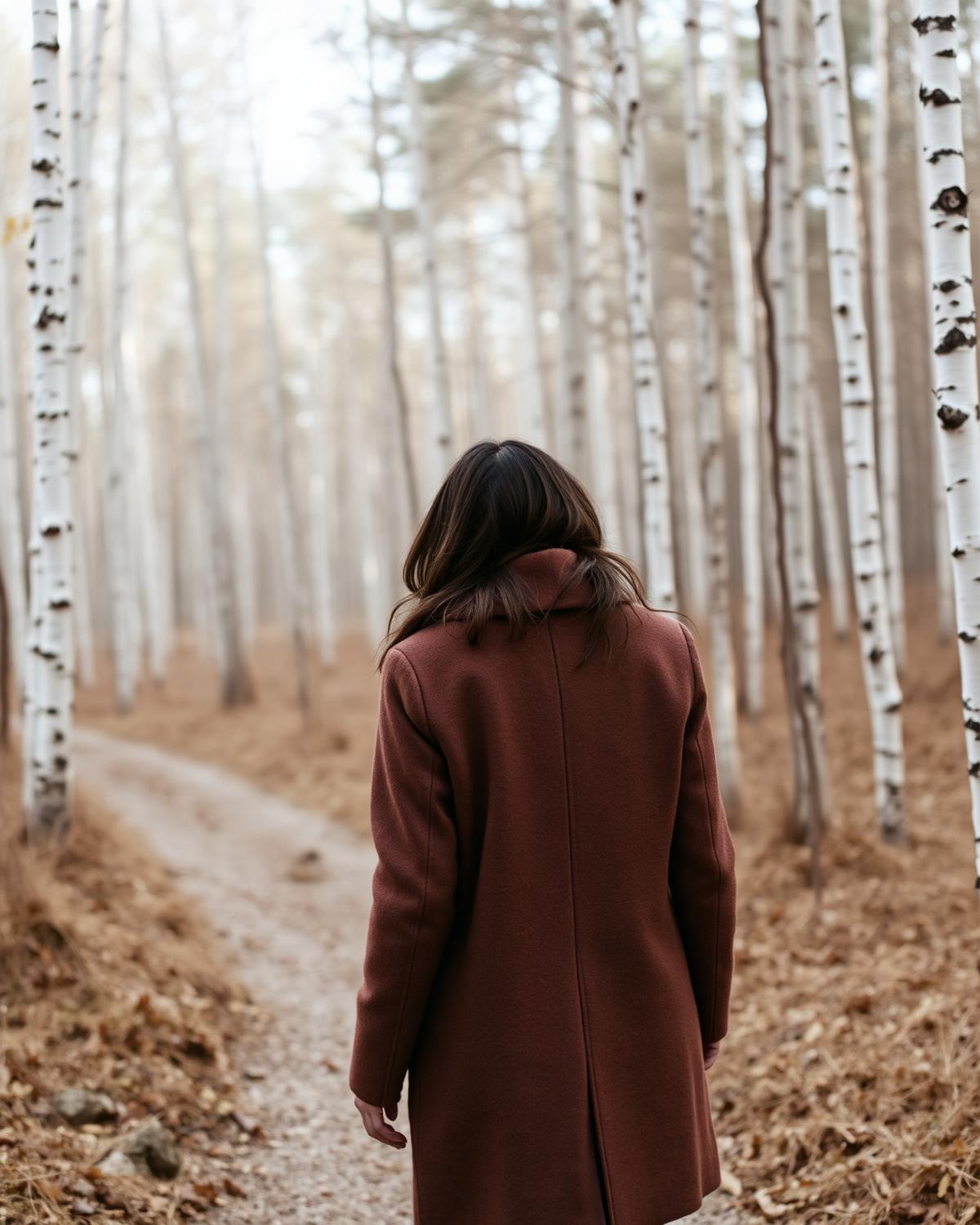
There is a specific stillness to a Finnish morning in October. The light arrives slowly, generously, and it asks nothing of you. Researchers who study daily rhythms have long argued that the shape of the first two hours matters disproportionately for the rest of the day — for sleep the following night, for concentration at work, for how easily we choose the walk over the tram.
The habits that hold up across a Nordic winter are almost embarrassingly simple: light on the face, warmth in the hands, movement before decisions, and a slow first meal. None of them require an app. All of them can be measured, if measurement helps.
What the recent research adds is a modest correction. It is not the individual habit that shifts wellbeing, but the sequence — and the willingness to keep the sequence when travel, illness or family life interrupts it. The habit that survives disruption is the habit that changes a life.